Discover 3 Easy-to-Implement Methods for Flower Longevity
Posted on 13/08/2025
Discover 3 Easy-to-Implement Methods for Flower Longevity
Flowers bring beauty, fragrance, and a touch of nature into our homes and gardens. However, the sad reality is that their vibrant charm often fades far too soon. Have you ever wished your fresh-cut blooms or garden blossoms could last just a little longer? If so, you're not alone! Understanding the best flower longevity techniques can mean the difference between a fleeting display and an enduring bouquet.
Whether you're a passionate gardener, a floral enthusiast, or simply enjoy keeping flowers brightening up your living space, learning how to extend the lifespan of your flowers is crucial. This article dives into three easy-to-implement methods for flower longevity that anyone can master at home. Unlock the secrets florists rely on and keep your blossoms fresh, fragrant, and fabulous for days - or even weeks - longer.

Why Does Flower Longevity Matter?
Aside from their beauty, flowers evoke joy, improve mood, and can even help purify indoor air. But cut flowers, in particular, are notorious for their brief lifespan. Learning simple flower longevity methods not only preserves your favorite arrangements but also saves money and reduces waste.
- More value for your purchase: Keep bouquets stunning for longer periods.
- Sentimental preservation: Extend the life of flowers received for special occasions like anniversaries, birthdays, or graduations.
- Environmental benefits: Less frequent disposal means a smaller ecological footprint.
Understanding Flower Longevity: The Science Behind It
At its core, the lifespan of any cut flower is determined by factors such as:
- Water loss
- Bacterial growth
- Nutrient depletion
- Environmental conditions
By targeting these factors, you can help your blooms last significantly longer. Now, let's delve into the three powerful methods to maximize flower lifespan.
Method 1: Proper Hydration and Water Maintenance
The Importance of Water for Flower Longevity
Nothing impacts flower health more directly than hydration. Flowers, much like any living organism, require ample water to maintain cell structure and turgidity. When their water supply is cut, their vitality quickly fades.
Simple Hydration Tips for Long-Lasting Flowers
- Trim the Stems Appropriately
Before placing flowers in water, always trim at least one inch off the stems at a 45-degree angle using a sharp, clean knife or scissors. This ensures a larger surface area for water uptake and prevents the stem from sitting flat on the bottom of the vase, which can block water absorption.
Tip: Re-trim stems every few days to further boost flower longevity. - Use Clean, Lukewarm Water
Fill your vase with room-temperature water. Cold water can shock the stems, while hot water may damage them. Cleanliness is essential: always wash your vase thoroughly to eliminate bacteria. - Change the Water Regularly
Every two days (or daily for optimal results), replace the vase water entirely. This removes built-up bacteria and ensures a steady supply of minerals and oxygen.
These simple steps dramatically reduce the risk of wilting, ensuring your fresh-cut flower arrangements keep their vitality far beyond expectations.
Method 2: Banish Bacteria and Keep Flowers Fresh
How Bacteria Impact Flower Lifespan
Bacterial growth is one of the primary causes of premature flower aging. Microorganisms thrive in stagnant water, clogging stem channels and preventing water uptake. Mastering antibacterial strategies is crucial for boosting flower longevity.
Top Antibacterial Flower Care Tricks:
-
Remove Foliage Below the Water Line
Any leaves that sit in water will decompose quickly, serving as a breeding ground for bacteria. Remove all foliage from the lower two-thirds of stems before arrangement. -
Add Flower Preservatives or DIY Solutions
Commercial flower food contains antibacterial agents and nutrients. Alternatively, make a homemade version by mixing:- 1 teaspoon sugar (feeds the flowers)
- 2 teaspoons lemon or lime juice (acidifies the water, making it less hospitable for bacteria)
- 1 teaspoon bleach or white vinegar (acts as a disinfectant)
- 1 quart water
-
Sanitize Your Vase and Scissors
Before each use, scrub your vase with hot, soapy water and rinse thoroughly. Wipe your scissors or knife with alcohol to prevent contamination.
Practicing these simple but powerful antibacterial habits will help you enjoy fresh flowers for longer, every single time.
Method 3: Optimize Environmental Conditions for Extended Bloom Life
Temperature and Light: The Hidden Keys to Flower Longevity
Just as outdoor plants thrive in certain conditions, cut flowers also fare better when their environment is controlled.
- Avoid Direct Sunlight: Placing your flowers in direct beams shortens their lifespan. Indirect, soft light is best.
- Keep Cool: Heat accelerates the aging process. Instead, situate flowers in a cool place, away from radiators, appliances, or electronics.
- Steer Clear of Drafts: Breezes or vents can dehydrate flowers quickly.
Additional Flower Longevity Strategies
-
Isolate from Ethylene Sources
Household fruits, especially bananas and apples, emit ethylene gas, which prompts flowers to mature and wilt faster. Keep arrangements away from fruit bowls and trash bins. -
Refrigerate Overnight
Many professional florists swear by this trick: Place your bouquet in the refrigerator each night (make sure it's upright and away from produce). Cooler nighttime temperatures can dramatically extend flower lifespan.
Combining the Methods: Maximum Flower Lifespan Made Easy
The real magic in achieving long-lasting flowers lies in combining all three methods consistently. To summarize:
- Keep flowers hydrated by trimming stems and changing water frequently.
- Prevent bacterial growth with regular cleaning, and use homemade or commercial flower food.
- Control the environment by choosing cool, shaded spots away from fruit and drafts.
By putting these easy-to-implement flower longevity techniques into practice, you will be amazed at how much longer your bouquets maintain their beauty and vitality.
Frequently Asked Questions about Flower Longevity
1. What household ingredients can help keep cut flowers fresh?
Lemon juice, sugar, and a small amount of bleach can significantly prolong the life of cut flowers by nourishing stems and deterring bacterial growth.
2. What is the best way to trim flower stems?
Always trim with a sharp, clean tool at a 45-degree angle while holding the stems under running water. This prevents air bubbles from forming in stem tissue (a process called "embolism"), which can impede water uptake.
3. Why do flowers fade so quickly indoors?
Indoor conditions often lack the humidity, proper temperature, and nutrient flow flowers have in nature. Without the right care and attention, they may wilt within a few days.
4. Are certain flowers naturally longer-lasting than others?
Absolutely. Species like carnations, chrysanthemums, orchids, and alstroemeria are renowned for their extended vase life, sometimes lasting up to two weeks or longer with proper care.
Bonus Tips for Ultimate Flower Longevity
Beyond the foundational methods above, here are some advanced strategies to ensure lasting blooms:
- Avoid overcrowding: Give each stem enough "breathing room" in your vase to avoid bruising and bacteria build-up.
- Mist flowers lightly: Some varieties enjoy a gentle spritz with water to maintain petal hydration.
- Remove dead or wilting blooms: This prevents decay from spreading and keeps arrangements looking fresh.
- Monitor water clarity: If water becomes murky, change it immediately, even if it's ahead of your normal schedule.
These small steps, when added to your routine, can push your arrangements from "lovely" to "long-lasting."
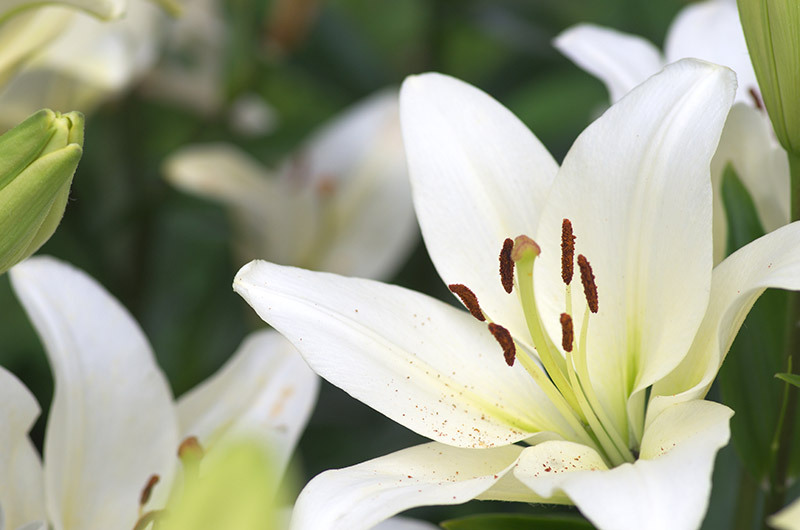
The Takeaway: Your Pathway to Impressive Flower Longevity
It's easy to see how with just a little knowledge and effort, anyone can dramatically improve the lifespan of their favorite flowers. The secret? Combine proper hydration, diligent bacterial control, and ideal environmental conditions for unparalleled results.
Start with clean tools and fresh water. Feed your flowers not just aesthetically, but scientifically, using nutrients and antibacterial care. Finally, be mindful of where you display your blooms - a subtle move can add days or even weeks to their beauty!
Conclusion: Enjoy Your Longest-Lasting Blooms Ever
Incorporating these three easy-to-implement methods for flower longevity isn't just for professional florists. Anyone can extend a bouquet's life, preserve special memories, and fill their home with the joy of long-lasting flowers. Impress your friends, delight your senses, and get better value from every arrangement by putting these tips into daily practice.
For more gardening, flower care, and home-living tips, stay tuned to our blog for the latest science-based secrets!
- Keep your flowers fresher, longer - starting today.
- Share your results and favorite flower longevity tips in the comments below!
Latest Posts
Discover the flower that mirrors your every mood
Discover 3 Easy-to-Implement Methods for Flower Longevity
Your Birth Flower: A Window into Your Soul and Personality
Revitalize Your Office with These 10 Low Maintenance Green Gems
The Colorful World of Peony Flowers: Exploring Their Symbolism